

Healing looks different for every child, especially the children receiving treatment in Rite of Passage programs. Each child enters a program navigating unique mental health struggles. Many have experienced trauma, abuse, or neglect, and the programs are designed to help them heal, notice the positive changes in their mental health, and give them lasting tools for success.
“Treatment is really individualized, and it should be for each kid that comes into our care,” says Christine Gwin, National Director of Clinical Operations at Rite of Passage.
Gwin ensures Rite of Passage programs are not only trauma-informed, but trauma-responsive, meaning staff actively adapt daily interactions, environments, and interventions to meet the individual needs of each child.
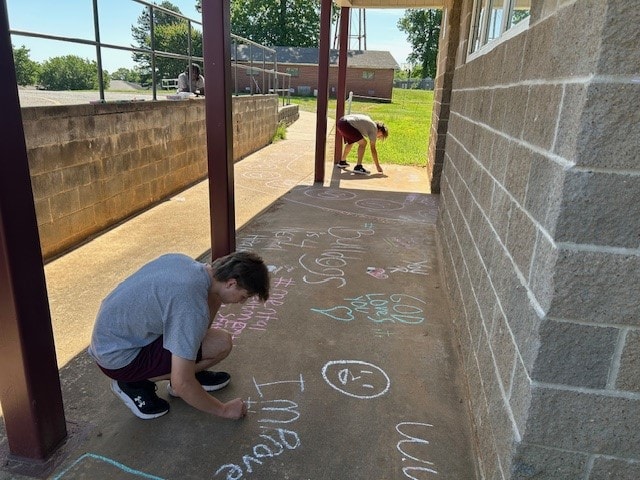
“We have a lot of trauma-informed practices, but our model is designed to be trauma-responsive,” says Gwin, “So all the elements of the integrated care model, like daily schedule, making sure that there are specialized groups for individualized needs, and understanding the kids’ individual strengths and weaknesses. All of these pieces help us become trauma-responsive to the youth in our care as opposed to just having the information.”
For younger kids, like those at the Alice C. Tyler Village in Virginia, interventions are even more tailored. Many of these children have only known instability, making trust and emotional regulation especially difficult.
“We do a lot of attachment-based interventions focused on getting to know the child’s needs and getting to know them, not just focusing on the behavior. You might have two children with the same behavior who don’t have the same needs, so the behavior is not going to be resolved through the same method,” says Ayla Mendez, Clinical Director at Childhelp’s Alice C. Tyler Village.

When working with children who have complex histories of trauma, abuse, or neglect, trust is one of the biggest barriers in the healing process. Dominique Black, Licensed Clinical Social Worker (LCSW) and Clinical Admissions Specialist at Rite of Passage, says helping youth feel safe enough to trust adults again is often one of the first steps in treatment.
“How do we get them to trust us, to reduce some of the historical attachment challenges and trauma that they have faced?” asks Black. “When we can overcome that, we can really start to see where the mental health challenges are coming from and then meet them where they’re at now.”
“I think it’s most important that people remember progress is non-linear.” – Ayla Mendez, Clinical Director.
Mental health growth can look like incremental steps from the outside, but those moments often represent major breakthroughs. Seeing a child who once reacted with anger or aggression pause, reflect, and choose a healthier response is a strong sign of progress.
“It’s really exciting when in the moment you actually see a child stop and they are like, well, hold on a second: this is the thing that I’m working on, or this is the thing that I need to do better at, or this is what we talked about in therapy, and I want to make a different choice,” says Black.
For clinicians, these moments of growth demonstrate that youth are learning the coping skills and emotional awareness needed to navigate difficult feelings in healthier ways.
“Progress looks like understanding where the youth is and meeting them where they are when they come in. In time we look at how much progress they’ve made towards those targeted goals.” – Christine Gwin, National Director of Clinical Operations.
In many Rite of Passage programs, mental health progress is measured through individualized treatment goals. Clinicians regularly assess what each child needs in their programming to succeed. Progress can show up in many forms, from participating in treatment, to improving communication, or building positive relationships.
“I think addressing mental health really helps children navigate who they are as people,” says Gwin, “I’m big on self-awareness and psychoeducation, like understanding when things are changing for them, or understanding when their thoughts and feelings are different. Understanding warning signs, triggers, cues, and things of that nature help them navigate the world when they leave a program.”
Normalizing mental health treatment, the same way any other health need is approached can help children sustain long-term mental wellness. Support systems, self-regulation techniques, and access to care all play an important role in long-term success.
“The way you think about the children will directly influence or impact the way that you work with them.” – Dominique Black, Clinical Admissions Specialist.
There are still many misconceptions about the kids in our care and about mental health in general. Staff at Rite of Passage work every day to help each child overcome stigmas and labels that may have followed them before treatment.
“We are finding ways to be really good advocates for our kids without taking away their voices,” says Black.
While providers play a direct role in treatment, community members, family members, and friends also have the ability to support youth struggling with their mental health.
“Write letters when they’re in treatment, be supportive and don’t shame. I think a lot of times we shame without realizing. Even just saying stop doing that as opposed to saying how can I help you,” says Mendez.
When more people are involved in supporting the mental health of children in any community, the impact can be life-changing. At Rite of Passage, staff continuously work to provide individualized care; helping kids grow, heal, and build a more hopeful future reflecting their personal journey.