

Makaya Swain understands it takes a community working together to prevent child sex trafficking. As the Program Director of The Embracing Project (TEP), she leads a compassionate, empathetic team who shows up every day to advocate for the most vulnerable youth in the Las Vegas community.
“It’s our job as advocates and our job as community members to help the kids get the things that they need,” shares Swain.
Advocating for youth is not just the job of professionals, it is the job of everyone in any community. Knowing how to advocate and support is the first step toward preventing the exploitation of children. To empower their community TEP provides training to organizations, families, community members and children meant to build awareness of violence and trafficking.
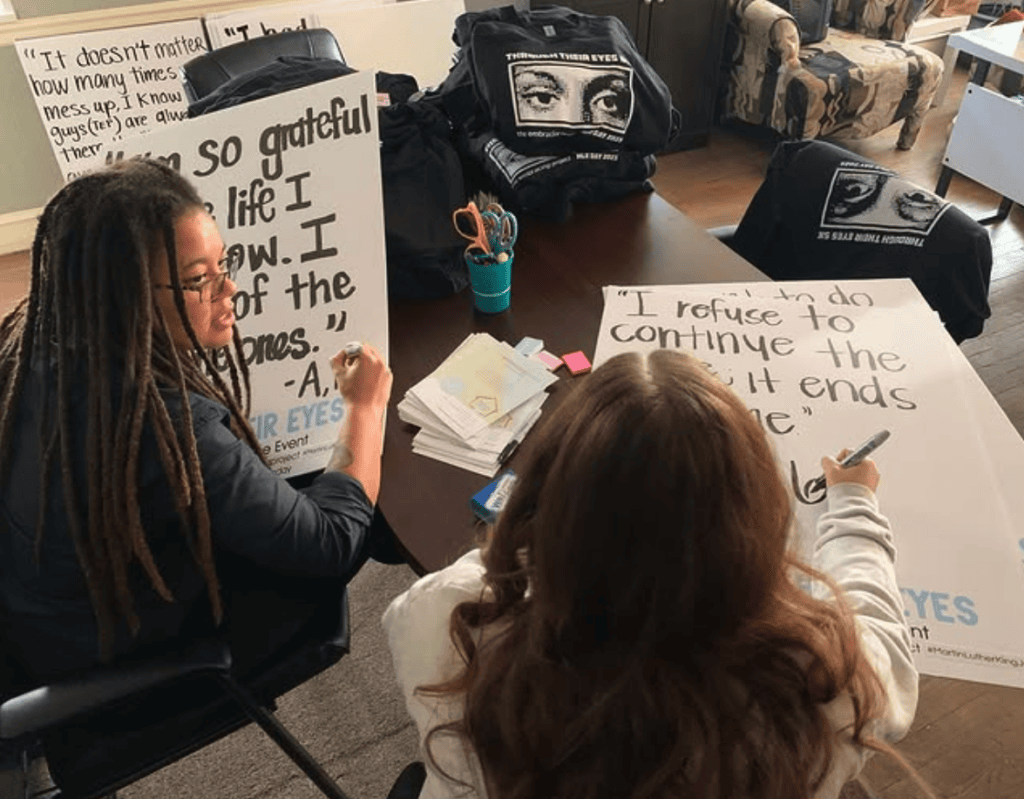
“I’m going to give different information to a parent than to a person who is in a social work field, or public transportation,” says Swain, “but we go over a lot of signs to look out for.”
A parent could be looking out for changes in their child’s behavior, if their child is not enjoying the things they used to enjoy, or if their child’s friendship groups have changed, whereas a bus driver could be looking for physical signs of abuse, inappropriate clothing for the weather, lack of hygiene or malnutrition.
Trafficking doesn’t always look the way people think it does. Even the kids themselves don’t always realize they are being trafficked. Sometimes a trafficker could be manipulating a youth into believing the situation they are in is normal, that they are in a relationship with them, or that they are rescuing them from bad circumstances—gaslighting a victim and distorting their reality. It is imperative to stay vigilant; know what to look for, trust your gut, and look out for all children.
“Trafficking and sexual exploitation affect us all because we live here, prevention starts with us.”
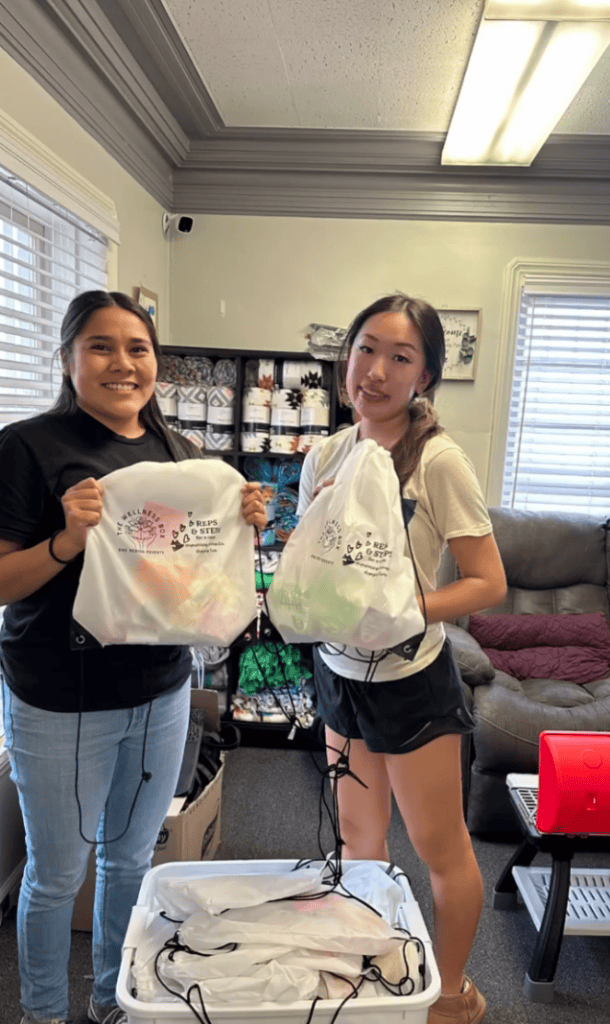
The Nevada Attorney General’s office reports between 300 to 500 minors are trafficked each year in Nevada. This is only reported data; it is important to remember that there are so many more children who don’t get the support they need to survive, heal, and report exploitation. Many individuals who are victims of sexual exploitation or trafficking may not self identify as such, have a fear of being labeled, or don’t feel safe to report. It is hard to measure something that isn’t always known, obvious, or is stigmatized. Despite underreporting, TEP continues to see an increased need for case management and advocacy for young victims of sexual, dating, and domestic violence.
For community members looking to support exploited children, Swain recommends looking for the smaller local organizations who need the most help, and address the underlying risk factors. In Nevada it could be Project 150, who provides free support and services to homeless youth. The Just One Project in Southern Nevada is a local non-profit that has grown because of community support. They started with providing groceries to food-insecure families, and have since expanded to include housing assistance services, workforce development, and hosting youth programs.
“If you’re going to try and make just a little bit of the difference that you can make, find the small places that are under resourced, but are making a real impact for the kids.”
In a world that demands so much of us every day it might seem difficult to find the time to help out, but it’s in these times, more than ever, that we must remember the important role we all play in each other’s lives.
“There’s nothing that replaces kindness and care for another human being.”
To learn more about The Embracing Project click here.
If you suspect a young person is being trafficked, it’s vital to act responsibly. Contact local authorities or the National Human Trafficking Hotline (1-888-373-7888) to report your concerns. Avoid directly confronting a suspected trafficker, as this can endanger both you and the victim.